

Tim Walz Humiliated – His Own People Call Out “Systemic Failures”
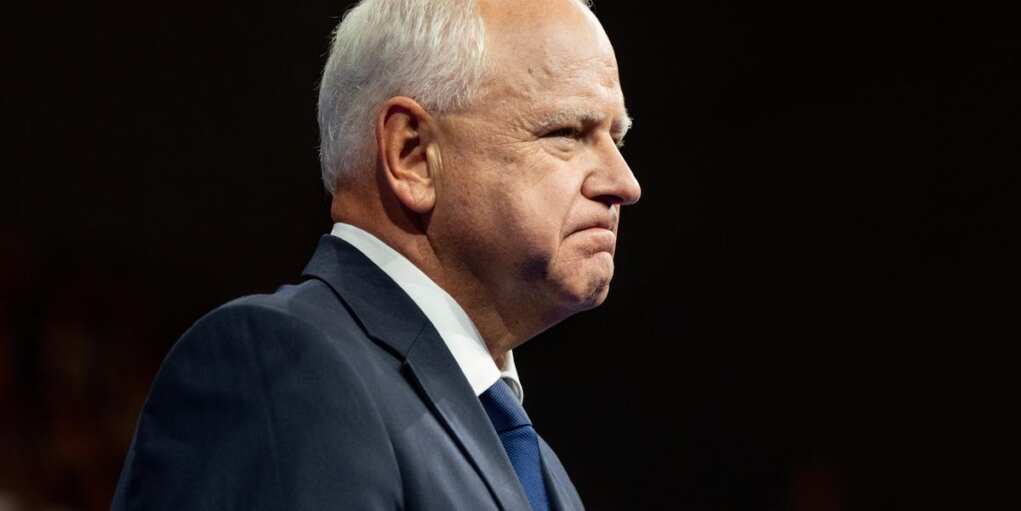
Minnesota state employees accused Democratic Minnesota Governor Tim Walz of bearing full responsibility for massive fraud that drained the state’s social services programs. They claimed he retaliated against whistleblowers who tried to sound the alarm.
“Tim Walz is 100% responsible for massive fraud in Minnesota.”
The employees wrote this in a statement posted to social media. They described a cascade of systemic failures and alleged Walz systematically retaliated against whistleblowers using monitoring, threats, repression, and did his best to discredit fraud reports.
The accusations come as federal prosecutors pursue cases involving more than 1 billion dollars in stolen taxpayer funds across three separate schemes. Prosecutors have secured 59 convictions so far in fraud tied to pandemic feeding programs, housing assistance and autism therapy services.
The whistleblowers claimed agency leaders appointed by Walz willfully disregarded rules and laws to keep fraud reports quiet. They also stated these leaders were not qualified for their jobs instead getting leadership jobs via Tim Walz’s friendship.
Staff who witnessed fraud were shutdown, reassigned and told to keep quiet according to the statement.
The employees named several officials they say have escaped accountability including Shireen Gandhi, Jess Geil, Jodi Harpstead, Natasha Merz and Eric Grumdahl.
Walz has denied that concerns about racism allegations slowed his administration’s response. He told the New York Times his administration erred on the side of generosity during the pandemic and pointed to new fraud prevention measures.
President Donald Trump has drawn national attention to the scandal calling Minnesota a hub of fraudulent money laundering activity and Walz seriously retarded in a Truth Social post.
Asked by reporters if he stood by the remark Trump replied.
“Yeah, there’s something wrong with Walz.”
The whistleblowers said they are now appealing to federal authorities for help.
“We can’t fight fraud in Minnesota alone.”
The billion dollar fraud scandal represents one of the largest thefts of taxpayer money in state history. Three separate schemes targeted programs meant to help vulnerable populations during the pandemic.
The feeding program fraud alone involved hundreds of millions of dollars that were supposed to provide meals to hungry children. Instead the money was stolen by criminal networks operating under the noses of state officials.
Housing assistance funds were similarly looted by fraudsters who exploited weak oversight during the pandemic emergency. Autism therapy services became another vehicle for theft with fake claims draining resources meant for disabled children.
The 59 convictions secured so far suggest the scope of the criminal enterprise. Federal prosecutors continue to pursue additional cases as the investigation expands.
The whistleblower statement’s allegation that Walz appointees were unqualified friends raises serious questions about how the fraud was allowed to flourish. Competent oversight might have caught the schemes before they cost taxpayers a billion dollars.
The claim that employees were shutdown, reassigned and told to keep quiet paints a picture of an administration more concerned with protecting its reputation than protecting public funds. Whistleblowers who tried to do the right thing allegedly faced retaliation.
Walz’s defense that his administration erred on the side of generosity rings hollow given the scale of the theft. Being generous with taxpayer money is not a virtue when that generosity enables massive fraud.
The fact that state employees are now turning to federal authorities shows they have lost faith in Minnesota’s ability to hold anyone accountable. They believe only outside intervention can bring justice.
Trump’s focus on the scandal has elevated it to national prominence. The president’s blunt assessment of Walz reflects the frustration many feel about the former vice presidential candidate’s handling of the crisis.
The named officials who allegedly escaped accountability remain in positions of power or have faced no consequences for their roles. The whistleblowers want that to change.